Marketing has always been about understanding customers and meeting their needs, but today’s tools allow businesses to anticipate those needs before they even arise. Predictive analytics is helping marketers make smarter decisions by analyzing patterns in customer behavior, preferences, and interactions. Companies that can anticipate trends and personalize experiences are more likely to build stronger relationships, increase engagement, and drive sales. Using voice search for online marketing insights alongside predictive analytics can give brands an even bigger advantage by aligning content with how users actually search.
How Predictive Analytics Shapes Marketing Today
This article explains how predictive analytics works and why it matters for businesses of all sizes. You’ll learn how it can improve decision-making, optimize campaigns, and provide actionable insights that go beyond traditional data analysis.
Predictive analytics allows marketers to forecast customer behavior, identify new opportunities, and reduce wasted resources on campaigns that don’t deliver results.
In short, it turns raw data into a tool for more informed, confident marketing decisions that meet customer expectations and improve overall performance.
What Is Predictive Analytics?
Predictive analytics uses historical data, statistical algorithms, and machine learning techniques to forecast future outcomes. In marketing, this means analyzing customer interactions, website activity, purchase history, and engagement metrics to predict what actions people are likely to take next.
For example, a business can predict which customers are most likely to respond to a promotion, churn, or make repeat purchases. This allows marketing teams to focus efforts where they are most likely to succeed, improving efficiency and impact. Predictive analytics also identifies trends and patterns that might otherwise go unnoticed, giving businesses a competitive edge in planning campaigns and content.
Benefits of Predictive Analytics in Marketing
One of the biggest advantages of predictive analytics is its ability to make campaigns more targeted and personalized. By understanding what customers are likely to do, marketers can tailor messages and offers to specific segments. This can improve conversion rates and strengthen customer loyalty.
Predictive analytics also helps marketers optimize budgets. By focusing resources on strategies most likely to succeed, businesses reduce wasted spending on ineffective campaigns. Over time, these informed decisions can improve ROI and allow marketing teams to invest in initiatives that produce measurable results. Predictive insights can also be combined with color psychology in web design to make landing pages and ads more engaging and persuasive.
Another benefit is that predictive analytics allows companies to react faster to market changes. Trends and behaviors are constantly shifting, and businesses that rely solely on historical data may lag behind. Predictive models give marketers the foresight to adjust campaigns in real-time, keeping messages relevant and timely for audiences.
How It Enhances Customer Experience
Predictive analytics can transform how businesses interact with customers. Instead of sending generic messages, companies can provide personalized recommendations, offers, and experiences that feel relevant and thoughtful. Customers notice when interactions are tailored to their needs, which can boost engagement and loyalty.
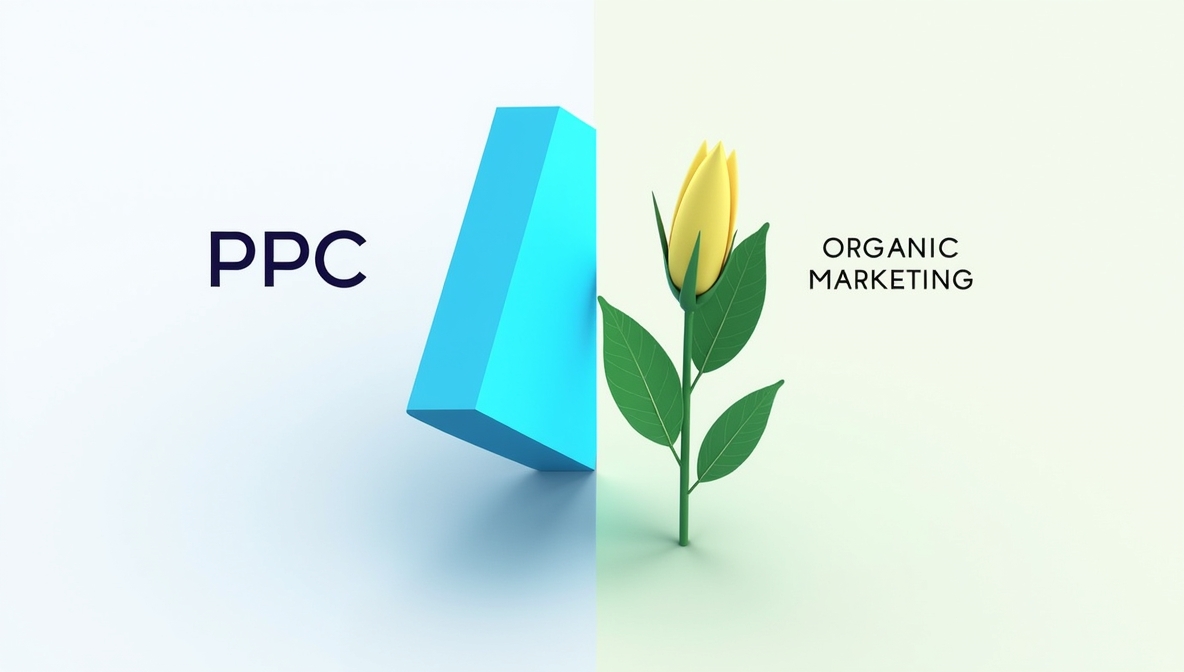
This approach also improves timing. Predictive models can suggest when a customer is most likely to be receptive to an offer, making communications more effective. Rather than guessing or following a rigid schedule, marketers can respond to behavior cues and increase the chance of conversion. Combining predictive analytics with insights from PPC vs. organic marketing campaigns helps allocate resources more effectively to maximize reach and results.
Real-World Applications
In e-commerce, predictive analytics can recommend products based on browsing history or past purchases. In email marketing, it can determine the ideal time and frequency for sending messages to individual users. Retailers can predict inventory demand to ensure popular products are always available, avoiding stockouts and lost sales.
Social media campaigns also benefit. Predictive tools can identify which content is likely to go viral or resonate with a target audience, allowing teams to focus on strategies that maximize engagement. By anticipating customer preferences, businesses can create experiences that feel seamless and proactive.
Predictive Analytics and ROI
Measuring the impact of marketing initiatives has always been a challenge, but predictive analytics makes it easier to track and forecast performance. It helps marketing teams identify which campaigns are likely to deliver the best return on investment and where adjustments are needed.
This forward-looking approach is more efficient than reacting to past results alone. By forecasting potential outcomes, marketers can make decisions with confidence, reduce risks, and optimize resources for maximum impact.
Challenges and Considerations
Implementing predictive analytics does come with challenges. Quality data is essential, and businesses must ensure information is accurate, complete, and up-to-date. Predictive models also require ongoing maintenance to remain effective, as customer behavior and market conditions change over time.
Privacy and compliance are important considerations. Collecting and using customer data responsibly builds trust and ensures adherence to regulations. Transparency in how data is analyzed and applied can strengthen relationships with customers.
Despite these challenges, businesses that invest in predictive analytics often find the benefits outweigh the hurdles. The insights gained can inform strategy across marketing channels, from content creation to advertising, resulting in more effective campaigns and improved customer experiences.
Future Trends in Predictive Marketing
As technology evolves, predictive analytics will become even more integrated into marketing operations. AI and machine learning will allow models to become increasingly sophisticated, identifying subtle patterns and forecasting outcomes with greater accuracy.
Predictive analytics will also support automation, enabling systems to act on insights in real-time. For example, automated product recommendations, dynamic content, and personalized advertising will be powered by predictive insights, creating a more responsive and engaging experience for customers.
How Businesses Can Get Started
Businesses can start small by focusing on key metrics and customer interactions that matter most. Identifying high-value segments, mapping the customer journey, and analyzing historical behavior provide a foundation for predictive models.
Choosing the right tools is also essential. Marketing platforms with built-in predictive analytics can simplify the process and help teams interpret results without needing extensive technical expertise. Collaboration between marketing, IT, and data teams ensures models are accurate and actionable.
Over time, predictive analytics becomes a core component of strategy, guiding decisions across campaigns, channels, and customer touchpoints. By integrating insights into daily operations, businesses can create more effective, personalized, and timely marketing efforts.
Why It Matters for the Long Term
Predictive analytics is more than a trend; it is a shift in how businesses approach marketing strategy. Rather than reacting to customer behavior after the fact, predictive models allow brands to anticipate needs and act proactively.
This proactive approach builds trust, improves customer satisfaction, and increases the likelihood of repeat engagement and loyalty. Companies that adopt predictive analytics early can gain a significant advantage, making their marketing more efficient and results-driven.
Marketing is increasingly about intelligence and foresight. Predictive analytics provides the tools to understand customers, forecast trends, and make informed decisions. Businesses that integrate these insights into their strategy are better positioned to grow, adapt, and thrive in a competitive environment.