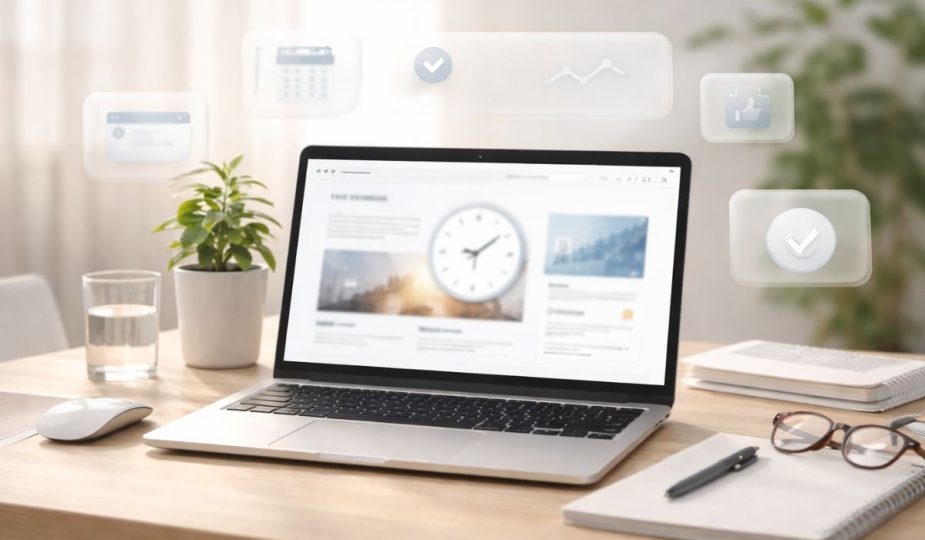
The moment someone lands on your website, they begin judging it. Not consciously, but quickly. Within seconds, visitors decide whether a site feels active, cared for, and trustworthy. They do not read disclaimers or scan footers right away. Instead, they look for small signs that suggest the site is alive.
One of the simplest signals is time awareness. Seeing the current time now displayed on a page reassures visitors that what they are viewing exists in the present, not in the past. It quietly tells them that the site reflects what is happening right now, not last year or five years ago.
Static websites can still contain accurate content. Yet they often feel abandoned. Live elements, even subtle ones, change that feeling. They suggest attention, monitoring, and relevance without saying a word.
What This Article Covers
This article explains why website freshness matters for trust, how users judge it without realizing, and why live time displays help reduce doubt. It also looks at how time widgets support transparency, user confidence, and search performance, along with where they make sense and where they do not.
How Users Judge Website Freshness Without Thinking About It
People rarely stop to ask whether a website is current. They simply feel it. That feeling comes from visual and functional cues rather than written claims. A page can say it updates content regularly, but users trust what they see more than what they read.
Dynamic elements catch the eye. Live data, responsive features, and visible timestamps feel active. Static text does not. Even a “last updated” label often fades into the background because it does not change. Users have seen it too many times.
This behavior mirrors how people evaluate results in marketing. Data that updates earns more confidence than numbers that sit still. That same mindset applies online. Articles about marketing performance measurement show how audiences respond better to signals that feel current and measurable. Websites follow the same logic.
Real Time Elements as Credibility Signals
Live time widgets belong in the same category as uptime monitors or live support indicators. They act as credibility infrastructure, not decoration. A static design looks finished, but a live indicator looks maintained.
The difference matters. A real time display implies that systems are running and someone is paying attention. It suggests the site connects to the outside world rather than sitting alone on a server.
This effect becomes stronger in industries where accuracy and timing shape decisions. News platforms, global services, booking sites, and financial pages all rely on freshness perception. Missing these cues often leads to friction. Many common UX trust mistakes stem from failing to reassure users at key moments.
Why Live Time Feels More Trustworthy Than Static Content
Human psychology favors movement. A clock that updates every second sends a clear message that the page reflects reality as it changes. That movement provides quiet reassurance.
Visitors worry about outdated pricing, expired offers, or unavailable support. Even if those fears never become conscious thoughts, they influence behavior. Live time lowers that background anxiety. It signals that information has not been forgotten.
During decision moments, hesitation often appears. Should I submit this form? Is this still valid? Live time acts as a soft confirmation. It does not promise anything, but it reduces doubt just enough to help users continue.
How Time Widgets Communicate Operational Transparency
Transparency rarely comes from bold statements. It comes from consistent signals. A live time widget suggests that someone is behind the site, checking it, maintaining it, and keeping it aligned with the present.
This perception matters during lead capture. Visitors want to know their message will not disappear into an empty inbox. Seeing a clock that reflects the current moment helps create that sense of readiness.
For sites that want a simple way to add this signal, free clock widgets offer a lightweight option. Used correctly, they support clarity without pulling focus away from content.
Time Awareness and Conversion Confidence
Conversions rely on confidence. Whether a visitor fills out a form, signs up for a trial, or completes a checkout, they need reassurance. Small details often make the difference.
Live time supports that reassurance. It pairs well with clear calls to action and thoughtful layouts. Pages built on behavioral conversion insights show how timing cues influence comfort and follow-through.
A simple example illustrates this. Imagine a contact page with no signs of activity. Now picture the same page showing the current local time. The second version feels more responsive, even though nothing else changed.
Freshness Signals and Search Engine Expectations
Search engines and humans evaluate freshness in different ways. Algorithms focus on crawl data, update patterns, and engagement signals. People rely on perception. They decide whether a site feels current before they think about rankings or metadata.
That perception still shapes performance. Visitors who feel confident tend to stay longer. They scroll, click, and interact. As a result, bounce rates drop and engagement improves, which indirectly supports search visibility through stronger behavioral signals.
This relationship between perception and trust is well documented. The Stanford web credibility study shows that users form trust judgments based on visual and functional cues early in their visit, often before assessing content depth or accuracy. Live elements such as time displays contribute to that first impression by reinforcing a sense of presence and upkeep.
When and Where Live Time Widgets Make the Most Sense
Live time widgets work best where awareness matters. Homepages benefit because they set first impressions. Landing pages benefit because they support confidence. Dashboards benefit because users expect real time feedback.
They also help international audiences. Showing local or global time reduces confusion for users across regions and time zones.
Still, not every page needs one. Long-form articles, static resources, or archival content often work better without live elements. The goal is reassurance, not distraction.
Why Freshness Signals Deserve More Attention
Freshness is communicated, not declared. Visitors respond to what they experience rather than what they are told. Small signals add up. Over time, they shape trust.
A live time widget does not change your content. It changes how that content feels. That difference often determines whether users stay, engage, and return.